11.01.2026 14:26

From home roasting to modern Capiatto coffee production
The Italian coffee industry has always evolved at the crossroads of artisanal tradition and technological progress. The story of the Capiatto roastery, located in Moncalieri — a southern suburb of Turin — clearly illustrates how a small, knowledge-driven operation can grow into a modern production facility with an international presence while preserving its identity.
Origins: Regional Coffee Culture as a Foundation
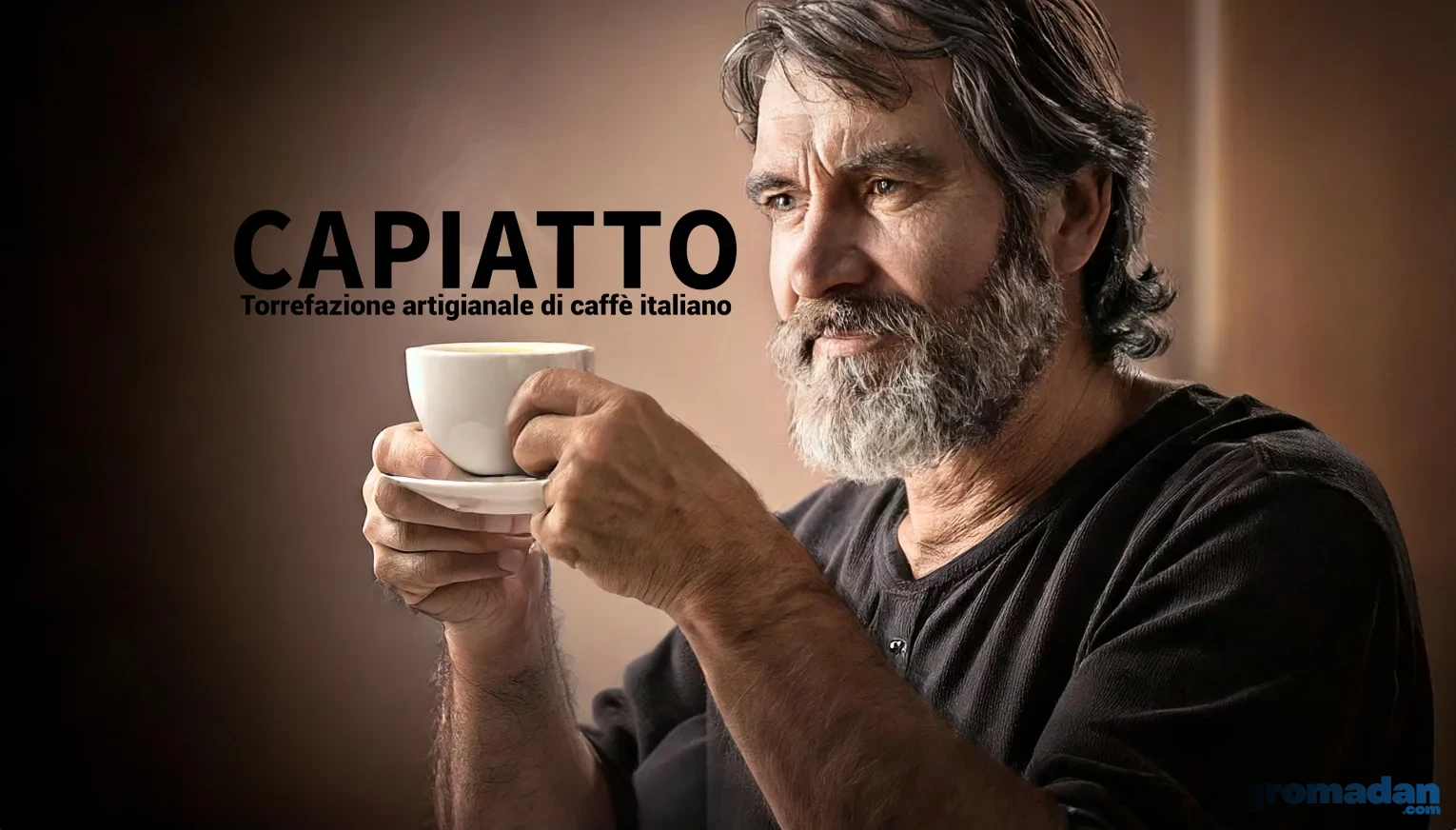
Capiatto was founded in northwestern Italy, in Piedmont — a region known for its rich culinary heritage and strong focus on product quality. Moncalieri, situated close to Turin, has long absorbed the culture of Italian espresso, where coffee is more than a beverage — it is a daily ritual and an essential part of social life.
Within this environment, the company’s future production approach took shape: respect for raw materials, attention to detail, and a focus not on mass production, but on flavor and consistency. Over time, these values became the core of Capiatto’s production philosophy.
From Craft to Structured Production
Before establishing its own factory, the Capiatto team gained experience across various Italian coffee businesses — from small artisanal roasteries to large industrial plants. This stage proved crucial, helping to identify the limitations of mass-market approaches and the importance of controlled, flexible production processes.
When the Capiatto factory was founded in Moncalieri in 2005, it was designed from the outset as a full-cycle operation, where every stage — from sourcing green coffee to packaging the final product — is subject to strict quality control. The priority was not rapid scaling, but repeatable quality and stable flavor profiles.
Working with Raw Materials: Control Starts at the Farm
One of the key early decisions was to establish direct supply chains. The roastery began working with plantations in Brazil, Colombia, and Ethiopia, selecting coffee not only by formal specifications, but also by its potential to раскры its character during roasting.
For Capiatto, coffee is not a standardized commodity, but a living product whose characteristics change from harvest to harvest. This required the implementation of a flexible intake system, regular cupping sessions, and constant adjustments to roasting profiles.
Roasting as a Technological Process, Not a Compromise
Unlike conventional industrial solutions, the Moncalieri facility applies gentle roasting with individual profile adaptation. Roasting parameters are adjusted based on bean density, moisture content, and region of origin, rather than being forced into a universal template.
This approach demands more time and resources, but delivers the depth of flavor associated with classic Italian espresso: pronounced sweetness, notes of nuts and chocolate, balanced acidity, and a long-lasting aroma. This style has become a defining characteristic of Capiatto coffee.
Growth and Recognition: From Local Cafés to International Markets
The first batches of Capiatto coffee were supplied to small cafés, restaurants, and coffee shops in Turin and the Piedmont region, where bean quality directly affects a venue’s reputation. The professional barista community quickly recognized the consistency and reliability of the product.
Over time, production was scaled without compromising quality control, enabling the company to expand beyond Italy. Today, Capiatto coffee is available in multiple European countries and other markets, remaining a niche product with a clearly defined identity.
The Modern Factory: Tradition Enhanced by Technology
Today, Capiatto operates as a modern coffee factory in Moncalieri, where traditional expertise is combined with automated control systems, energy-efficient equipment, and rigorous quality standards. Particular emphasis is placed on flavor consistency from batch to batch — a critical factor for the professional HoReCa segment.
Sustainability and Responsibility as Strategic Elements
Capiatto has integrated sustainability principles not as a marketing tool, but as part of its operational model. Eco-friendly roasting methods are used, energy consumption is optimized, and production waste is minimized. Coffee suppliers are selected based on their approach to land stewardship, environmental responsibility, and labor conditions.
Today, Capiatto represents more than a brand — it is a well-established production system reflecting the Italian approach to coffee: respect for tradition, attention to detail, and continuous improvement. The company continues to develop its product range and experiment with blends and flavor profiles while remaining true to its core principles.
The story of the Capiatto factory in Moncalieri shows that even in a highly competitive industry, it is possible to build a sustainable business when culture, technology, and an honest relationship with the product form the foundation.