 Technology
AI Decides How Much You Pay for a Big Mac. How McDonald’s Implemented Algorithmic Pricing
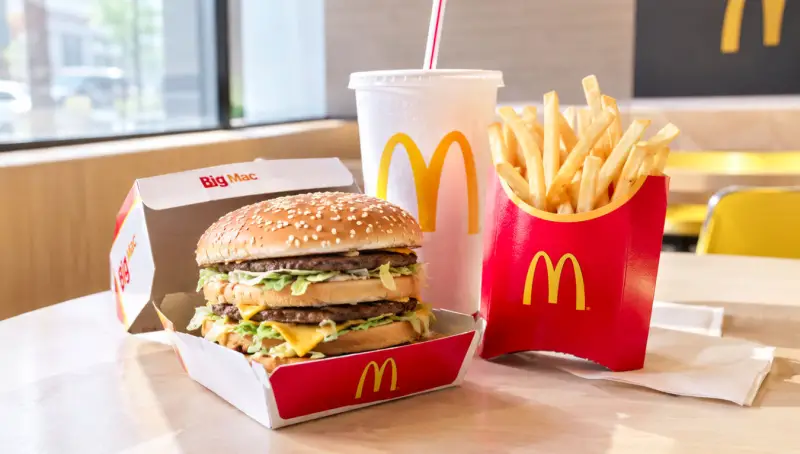
You walk into a McDonald’s in one neighborhood and see a Big Mac priced at $5.69. You drive just two miles to another location in the same chain, and the price jumps to $6.89. A 21% difference. Coincidence? Unlikely.
A major investigation published in late September 2026 shed light on how one of the world's largest fast-food giants is using machine learning to manage prices. While the corporation categorically denies using "dynamic" or personalized pricing, the facts paint a much more complex picture.
How the "advisor" works
It is not about a robot changing the menu board price in real-time based on your mood or the weather outside. The system operates at the individual restaurant level.
Journalists gained access to screenshots of the internal interface. The algorithm analyzes millions of daily transactions, cross-references them with public prices from nearby competitors (like Wendy’s or Burger King), and estimates the so-called "willingness to pay" in that specific trade area.
Based on this data, the system gives franchisees an "optimal price." The interface might even display a warning: "Your restaurant is showing MEDIUM sensitivity to price."
The illusion of free choice
McDonald’s official stance is crystal clear: the algorithm is just a tool, a recommendation. The final decision always rests with the franchise owner.
In practice, it is a bit different. Five restaurant owners interviewed by Reuters reported constant pressure. If a franchisee ignores the algorithm's advice and sets their own prices, the corporation notices.
Deviations from the recommended course are closely tracked. Moreover, since 2026, "constructive engagement" with corporate-approved pricing tools has become part of official business reviews. The results of these reviews directly impact whether an owner is allowed to open new locations.
It is a Catch-22: formally, you are free, but trying to set a price higher than the algorithm suggests (for example, to cover rising local rent or labor costs) can lead to serious friction with headquarters.
The ghost of the $18 Big Mac
In stories about algorithmic pricing, one chilling example always surfaces. In 2023, a restaurant on a highway in Connecticut made headlines for selling a Big Mac meal for over $18.
In a lawsuit, the owner of that restaurant claimed he arrived at that price by following recommendations from a Deloitte consulting system that McDonald’s advised franchisees to use. While journalists could not independently confirm that the current AI tool (developed with Tiger Analytics) gave that specific recommendation, the mere existence of such precedents speaks volumes.
It is the extreme endpoint of blindly following algorithms that optimize margins without regard for common sense.
Why regulators are on edge
The situation around McDonald’s has landed squarely in the crosshairs of the Federal Trade Commission (FTC) and the US Department of Justice.
Authorities are already actively fighting algorithmic collusion and pricing. A prime example is the case against RealPage, accused of allowing landlords to artificially inflate housing prices by sharing confidential data.
Although McDonald’s uses only public competitor data, the very principle of centralized price optimization for thousands of network locations raises antitrust questions. Where does standard business analytics end and covert market manipulation begin?
McDonald’s continues to insist its system helps restaurants stay competitive, and in some cases, the algorithm even recommends lowering prices to drive traffic.
But for the average customer, the bottom line remains the same. The price of your favorite burger is no longer determined by a local manager's intuition or even just ingredient costs. It is calculated by cold mathematics, assessing exactly how much you are willing to part with in this specific zip code.